Video Blogs June 16, 2021

Weekly Update – June 16th

Economy June 15, 2021

Home Price Appreciation Is as Simple as Supply and Demand

Home price appreciation continues to accelerate. Today, prices are driven by the simple concept of supply and demand. Pricing of any item is determined by how many items are available compared to how many people want to buy that item. As a result, the strong year-over-year home price appreciation is simple to explain. The demand for housing is up while the supply of homes for sale hovers at historic lows.

Let’s use three maps to show how this theory continues to affect the residential real estate market.

Map #1 – State-by-state price appreciation reported by the Federal Housing Finance Agency (FHFA) for the first quarter of 2021 compared to the first quarter of 2020:

Home Price Appreciation Is as Simple as Supply and Demand | MyKCM

As the map shows, certain states (colored in red) have appreciated well above the national average of 12.6%.

Map #2 – The change in state-by-state inventory levels year-over-year reported by realtor.com:

Home Price Appreciation Is as Simple as Supply and Demand | MyKCM

Comparing the two maps shows a correlation between change in listing inventory and price appreciation in many states. The best examples are Idaho, Utah, and Arizona. Though the correlation is not as easy to see in every state, the overall picture is one of causation.

The reason prices continue to accelerate is that housing inventory is still at all-time lows while demand remains high. However, this may be changing.

Is there relief around the corner?

The report by realtor.com also shows the monthly change in inventory for each state.

Map #3 – State-by-state changes in inventory levels month-over-month reported by realtor.com:

Home Price Appreciation Is as Simple as Supply and Demand | MyKCM

As the map indicates, 39 of the 50 states (plus the District of Columbia) saw increases in inventory over the last month. This may be evidence that homeowners who have been afraid to let buyers in their homes during the pandemic are now putting their houses on the market.

We’ll know for certain as we move through the rest of the year.

Bottom Line

Some are concerned by the rapid price appreciation we’ve experienced over the last year. The maps above show that the increases were warranted based on great demand and limited supply. Going forward, if the number of homes for sale better aligns with demand, price appreciation will moderate to more historical levels.

Video Blogs June 9, 2021

Weekly Update – June 9th

EconomyMarket Advice June 8, 2021

Why You May Want To Cash in on Your Second Home

When stay-at-home mandates were enforced last year, many households realized their homes didn’t really fulfill their new lifestyle needs. An office (in some cases two), a media room, space for children to learn, a gym, and a large yard are all examples of amenities that became highly desirable almost overnight.

Zelman & Associates recently reported that sales of primary residences grew by 9% in 2020. That increase in demand was met by the lowest supply of homes for sale in history. High demand and low supply caused prices to skyrocket over the past twelve months. Here are three home price indexes released most recently that show how home values have risen:

Prices increased by double digits in every region of the country and in 19 of 20 major metros. Chicago was the only exception, where prices still rose by 9%.

What does this mean to those who purchased a second home during the pandemic?

Many people didn’t want to give up a home in the city or close to their office. Instead, they purchased a larger second home farther away and moved there to stay safe and have more space. According to the same Zelman report, sales for second homes rose an astonishing 27% in 2020.

That large second-home retreat on a lake or in the mountains would demand a higher price than the average house. Let’s assume a buyer purchased such a home for $500,000. Assuming the middle 13.2% appreciation shown above, that home would now be worth about $566,000.

Those who bought second homes to improve their lifestyle during the height of the pandemic, or those who just wanted to be in a safer environment, also made a great investment.

What should these homeowners do now as the pandemic is receding, and the economy is reopening?

The buyers of those second homes now have a decision to make. Many will move back to the original home they still own (the one that’s closer to work, friends, and family). Should they keep the second home? That could depend on answers to questions like these:

  • Now that you may have to go back to the office (at least a few days a week) and students are required to physically attend school, would you still use the second house enough to warrant the expenses of an additional home?
  • Would you go to the second home on most weekends, or would you return to the movie theater, attend sporting events, eat out at fine restaurants, or spend your time traveling again?

Bottom Line

If you purchased a larger second home during the pandemic, you were able to make day-to-day life much easier for those important to you. You also made it much safer. However, with those goals already accomplished, you now need to decide whether to continue paying the extra expenses or sell the house and cash in your profit. If you decide selling makes sense, let’s connect today to discuss the value of your second home.

Video Blogs June 2, 2021

Weekly Update June 2nd

EconomyMarket AdviceMortgage Rates June 1, 2021

How Misunderstandings about Affordability Could Cost You

There’s a lot of discussion about affordability as home prices continue to appreciate rapidly. Even though the most recent index on affordability from the National Association of Realtors (NAR) shows homes are more affordable today than the historical average, some still have concerns about whether or not it’s truly affordable to buy a home right now.

When addressing this topic, there are various measures of affordability to consider. However, very few of the indexes compare the affordability of owning a home to renting one. In a paper just published by the Urban Institute, Homeownership Is Affordable Housing, author Mike Loftin examines whether it’s more affordable to buy or rent. Here are some of the highlights included.

1. Renters pay a higher percentage of their income toward their rental payment than homeowners pay toward their mortgage.

The report explains:

“When we look at the median housing expense ratio of all households, the typical homeowner household spends 16 percent of its income on housing while the typical renter household spends 26 percent. This is true, you might say, because people who own their own home must make more money than people who rent. But if we control for income, it is still more affordable to own a home than to rent housing, on average.”

Here’s the data from the report shown in a graph:

How Misunderstandings about Affordability Could Cost You | MyKCM

2. Renters don’t have extra money to invest in other assets.

The report goes on to say:

“Buying a home is not a decision between investing in real estate versus investing in stocks, as financial advisers often claim. Instead, the home buying investment simply converts some portion of an existing expense (renting) into an investment in real estate.”

It explains that you still have a housing expense (rent payments) even if you don’t buy a home. You can’t live in your 401K, but you can transfer housing expenses to your real estate investment. A mortgage payment is forced savings; it goes toward building equity you will likely get back when you sell your home. There’s no return on your rent payments.

3. Your mortgage payment remains relatively the same over time. Your rent keeps going up.

The report also notes:

“Whereas renters are continuously vulnerable to cost increases, rising home prices do not affect homeowners. Nobody rebuys the same home every year. For the homeowner with a fixed-rate mortgage, monthly payments increase only if property taxes and property insurance costs increase. The principal and interest portion of the payment, the largest portion, is fixed. Meanwhile, the renter’s entire payment is subject to inflation.

Consequently, over time, the homeowner’s and renter’s differing trajectories produce starkly different economic outcomes. Homeownership’s major affordability benefit is that it stabilizes what is likely the homeowner’s biggest monthly expense, assuming a buyer has a fixed-rate mortgage, which most American homeowners do. The only portion of the homeowner’s housing expenses that can increase is taxes and insurance. The principal and interest portion stays the same for 30 years.”

A mortgage payment remains about the same over the 30 years of the mortgage. Here’s what rents have done over the last 30 years:

How Misunderstandings about Affordability Could Cost You | MyKCM

4. If you want to own a home and can afford it, waiting could cost you.

As the report also indicates:

“We need to stop seeing housing as a reward for financial success and instead see it as a critical tool that can facilitate financial success. Affordable homeownership is not the capstone of economic well-being; it is the cornerstone.”

Homeownership is the first rung on the ladder of financial success for most households, as their home is most often their largest asset.

Bottom Line

If the current headlines reporting a supposed drop-off in home affordability are making you nervous, let’s connect to go over the real insights into our area.

Video Blogs May 26, 2021

Weekly Update – May 26th

Home KnowledgeMarket Advice May 24, 2021

3 Things To Prioritize When Selling Your House

Today’s housing market is full of unprecedented opportunities. High buyer demand paired with record-low housing inventory is creating the ultimate sellers’ market, which means it’s a fantastic time to sell your house. However, that doesn’t mean sellers are guaranteed success no matter what. There are still some key things to know so you can avoid costly mistakes and win big when you make a move.

1. Price Your House Right

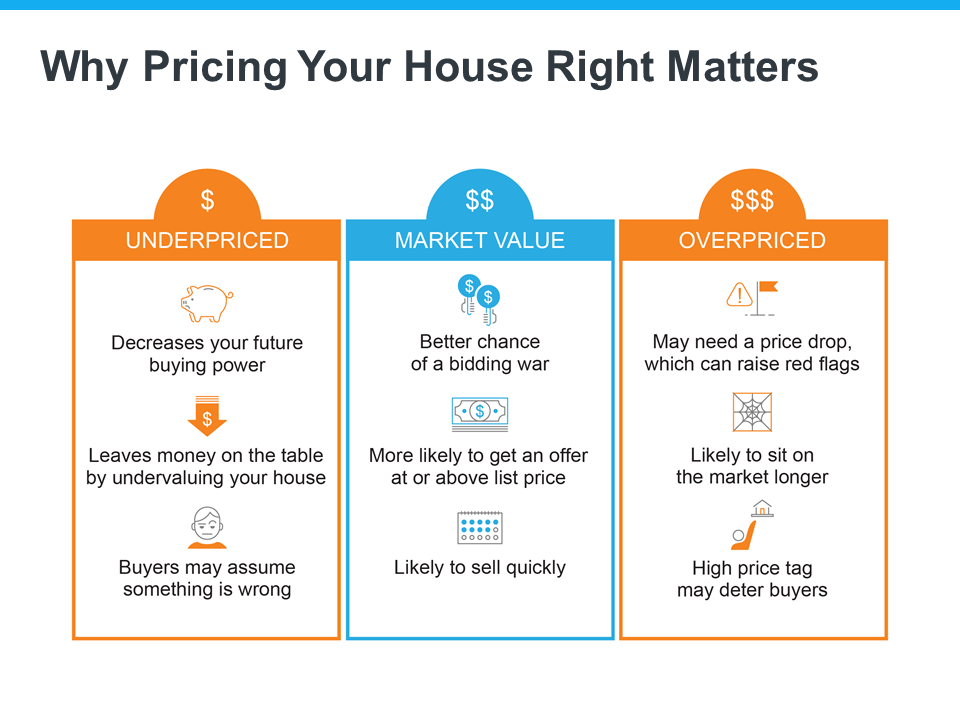
When inventory is low, like it is in the current market, it’s common to think buyers will pay whatever we ask when setting a listing price. Believe it or not, that’s not always true. Even in a sellers’ market, listing your house for the right price will maximize the number of buyers that see your house. This creates the best environment for bidding wars, which in turn are more likely to increase the final sale price. A real estate professional is the best person to help you set the best price for your house so you can achieve your financial goals.

2. Keep Your Emotions in Check

Today, homeowners are living in their houses for a longer period of time. Since 1985, the average time a homeowner owned their home, or their tenure, has increased from 5 to 10 years (See graph below):

3 Things To Prioritize When Selling Your House | MyKCM

This is several years longer than what used to be the historical norm. The side effect, however, is when you stay in one place for so long, you may get even more emotionally attached to your space. If it’s the first home you purchased or the house where your children grew up, it very likely means something extra special to you. Every room has memories, and it’s hard to detach from that sentimental value.

For some homeowners, that connection makes it even harder to separate the emotional value of the house from the fair market price. That’s why you need a real estate professional to help you with the negotiations along the way.

3. Stage Your House Properly

We’re generally quite proud of our décor and how we’ve customized our houses to make them our own unique homes. However, not all buyers will feel the same way about your design and personal touches. That’s why it’s so important to make sure you stage your house with the buyer in mind.

Buyers want to envision themselves in the space so it truly feels like it could be their own. They need to see themselves inside with their furniture and keepsakes – not your pictures and decorations. Stage, clean, and declutter so they can visualize their own dreams as they walk through each room. A real estate professional can help you with tips to get your home ready to stage and sell.

Bottom Line

Today’s sellers’ market might be your best chance to make a move. If you’re considering selling your house, let’s connect today so you have the expert guidance you need to navigate through the process and prioritize these key elements.

Video Blogs May 19, 2021

Weekly Update – May 19th

EconomyMarket Advice May 18, 2021

Americans See Real Estate as a Better Investment Than Stocks or Gold

Last month, in a post on the Liberty Street Economics blog, the Federal Reserve Bank of New York noted that Americans believe buying a home is definitely or probably a better investment than buying stocks. Last week, a Gallup Poll reaffirmed those findings.

In an article on the current real estate market, Gallup reports:

“Gallup usually finds that Americans regard real estate as the best long-term investment among several options — seeing it as superior to stocks, gold, savings accounts and bonds. This year, 41% choose real estate as the best investment, up from 35% a year ago, with stocks a distant second.”

Here’s the breakdown:

The article goes on to say:

“The 41% choosing real estate is the highest selecting any of the five investment options in the 11 years Gallup has asked this question.”

Is real estate really a secure investment right now?

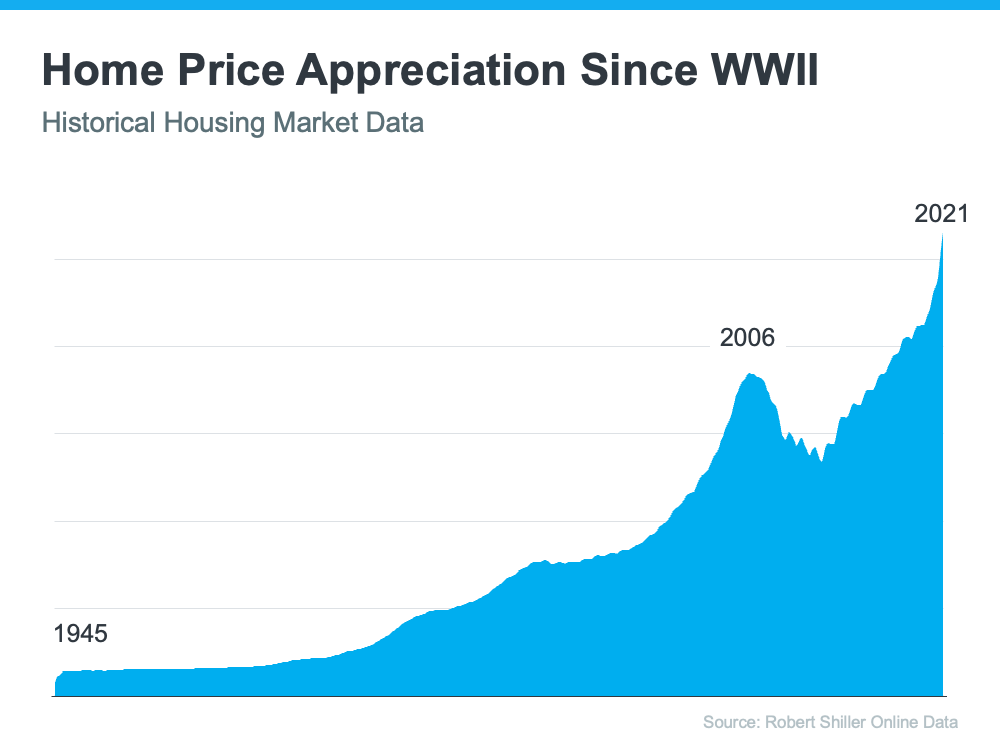
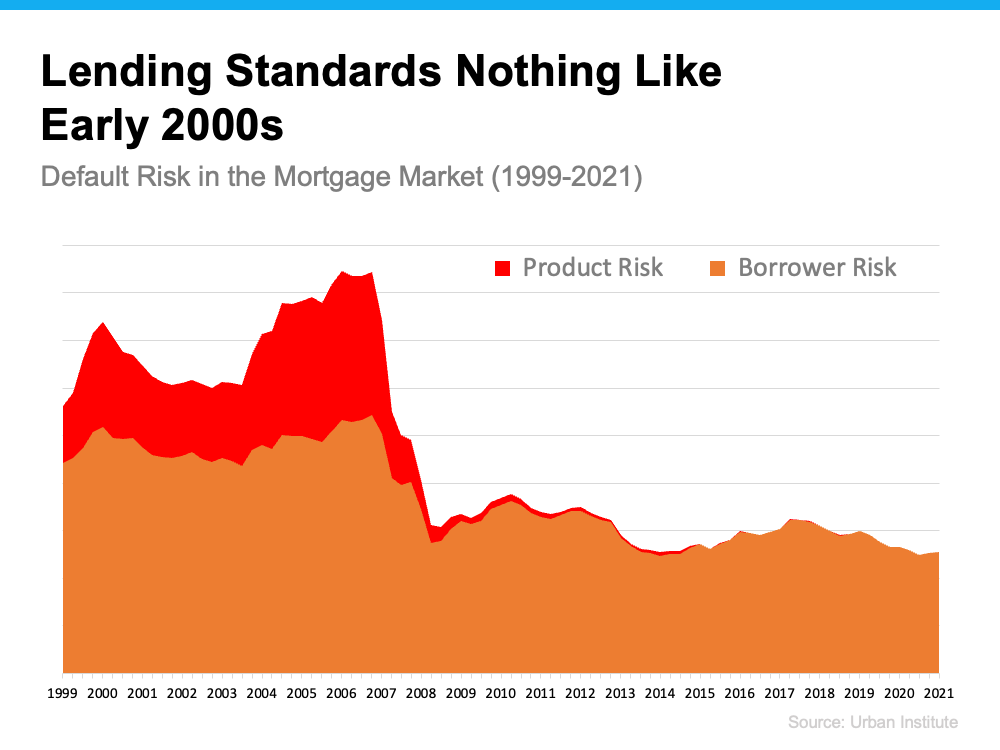
Some question American confidence in real estate as a good long-term investment right now. They fear that the build-up in home values may be mirroring what happened right before the housing crash a little more than a decade ago. However, according to Merrill Lynch, J.P. Morgan, Morgan Stanley, and Goldman Sachs, the current real estate market is strong and sustainable.

As Morgan Stanley explains to their clients in a recent Thoughts on the Market podcast:

“Unlike 15 years ago, the euphoria in today’s home prices comes down to the simple logic of supply and demand. And we at Morgan Stanley conclude that this time the sector is on a sustainably, sturdy foundation . . . . This robust demand and highly challenged supply, along with tight mortgage lending standards, may continue to bode well for home prices. Higher interest rates and post pandemic moves could likely slow the pace of appreciation, but the upward trajectory remains very much on course.”

Bottom Line

America’s belief in the long-term investment value of homeownership has been, is, and will always be, very strong.